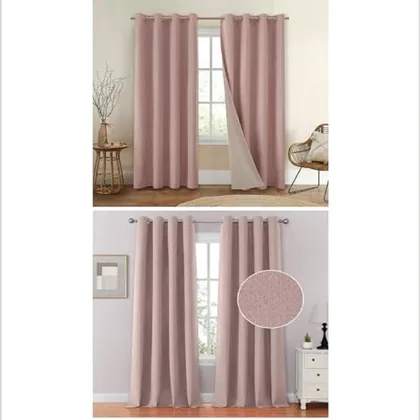
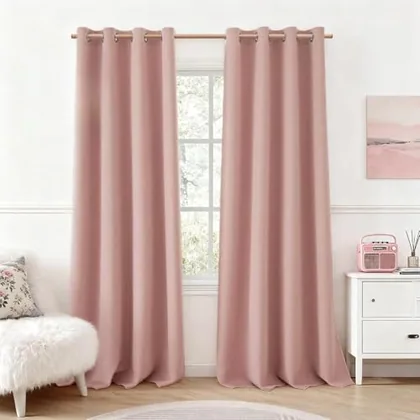
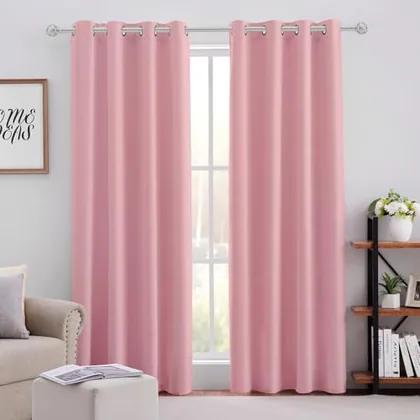
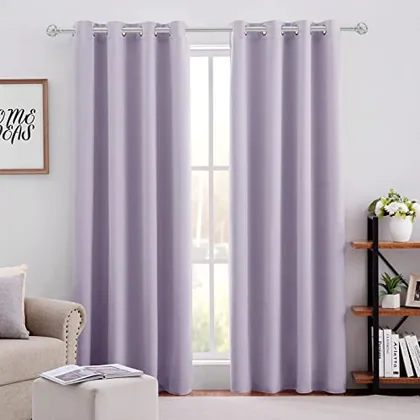
Full Blackout Curtains Faux Linen Curtains Blush Pink Room
52 x 96 in2 panelsblackout
$90.91blackout

HOMEIDEAS
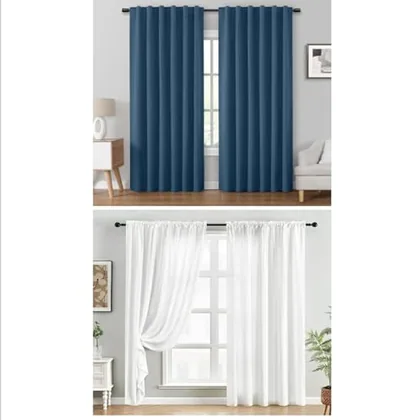
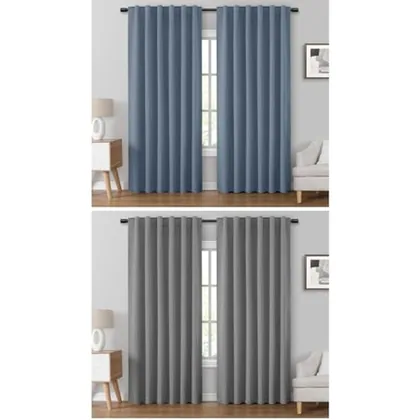
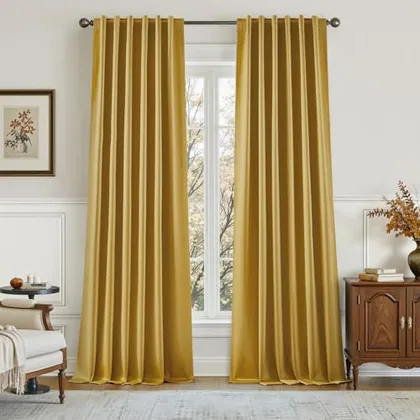
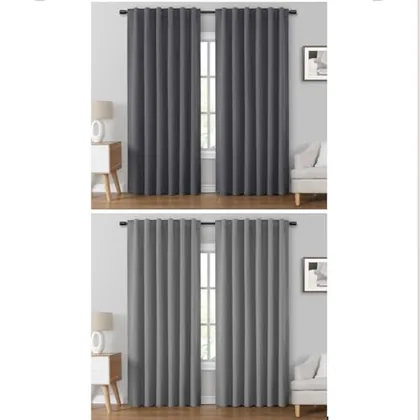
| What we publish | In this department |
|---|---|
| Products here | 132 |
| Prices | $14.69 to $90.91 |
| Stating a panel size | 59 |
| Stating a fabric | 113 |
| Stating a heading | 131 |
| Stating how much light they block | 132 |
| Machine washable | 121 |
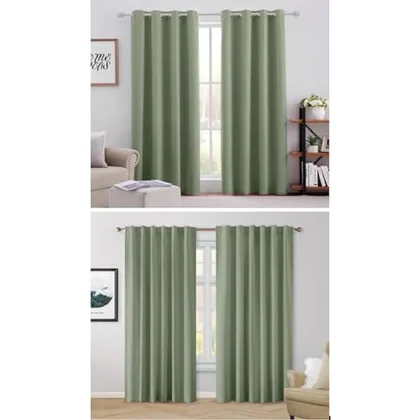
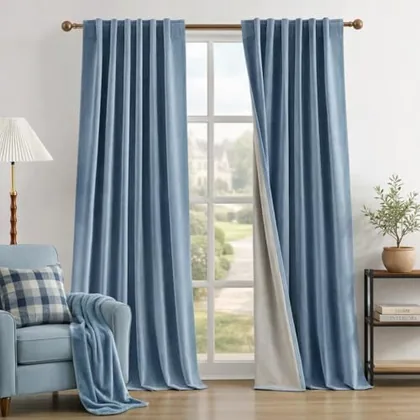
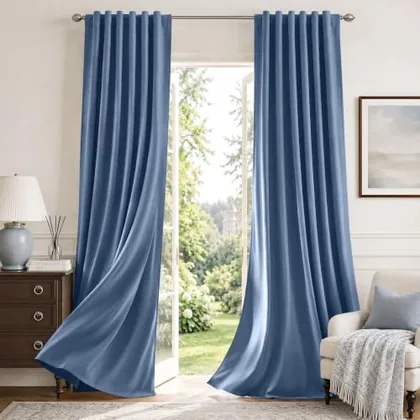
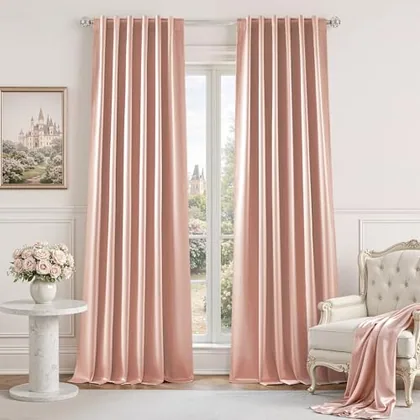
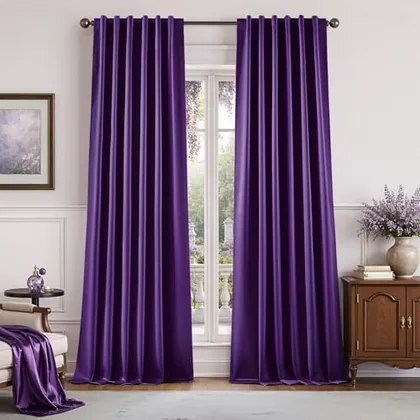
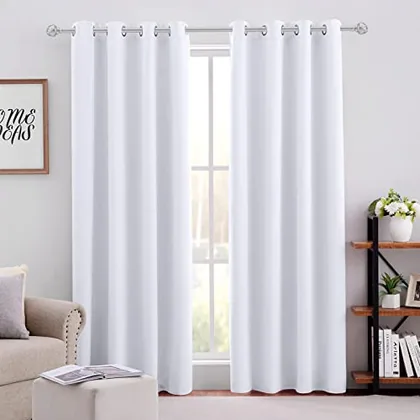
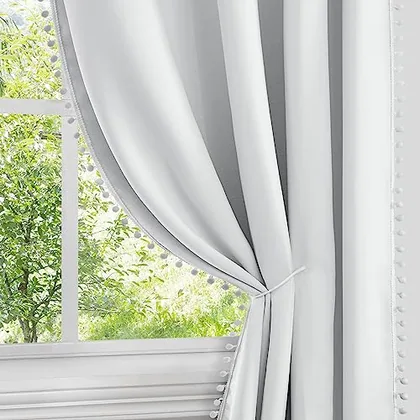
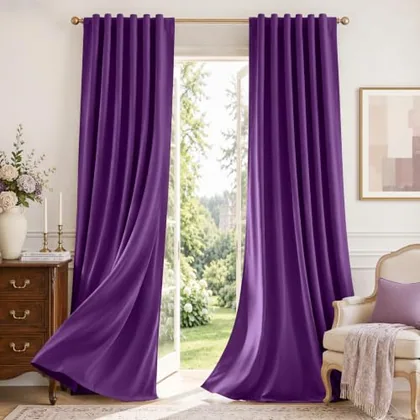
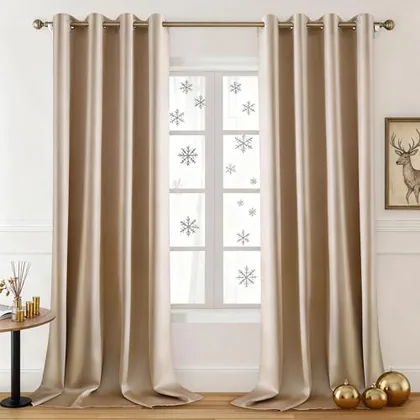
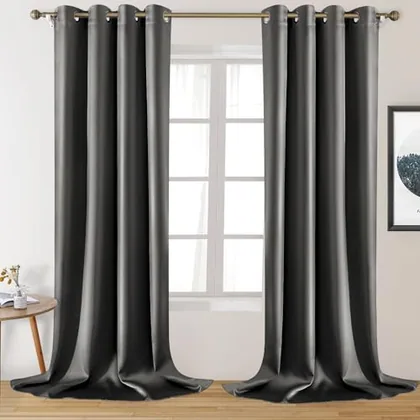
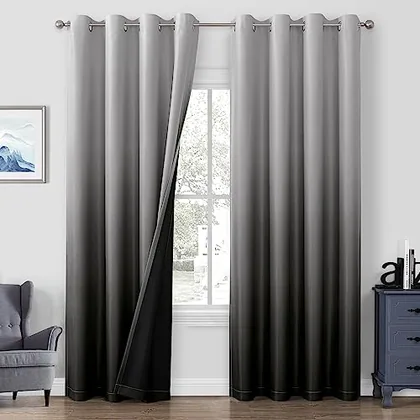
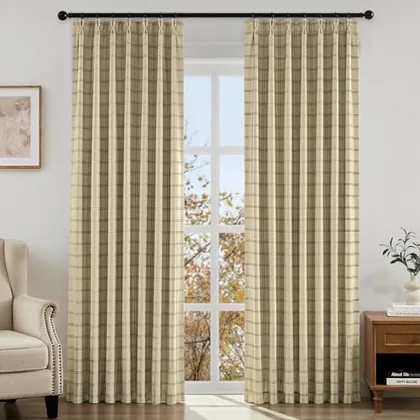
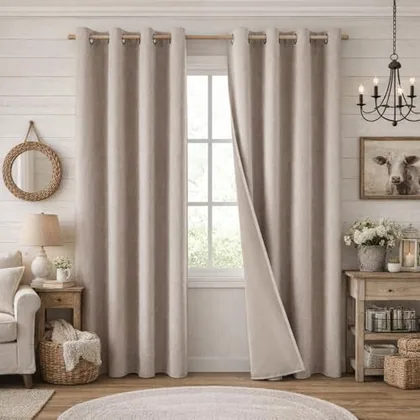
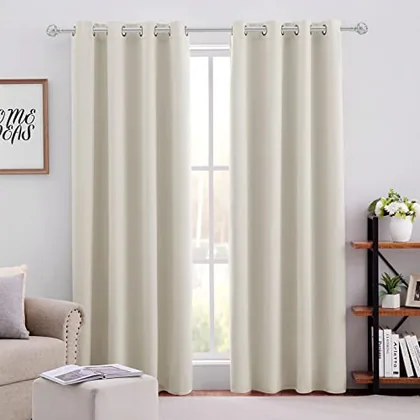
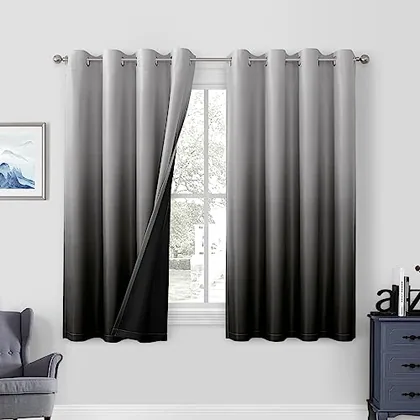
We started with one window. It faced a streetlamp, and nothing we tried kept the light out until we stopped coating fabric and started weaving it differently. That decision shaped everything we make now. Our blackout curtains use a triple-woven construction, so the light-blocking layer is part of the cloth itself rather than something glued to the back. The panels drape softly, they hang straight without stiffness, and they stay that way after you wash them. We have 132 styles in this department, from solid colors to ombre gradients and textured linen looks.
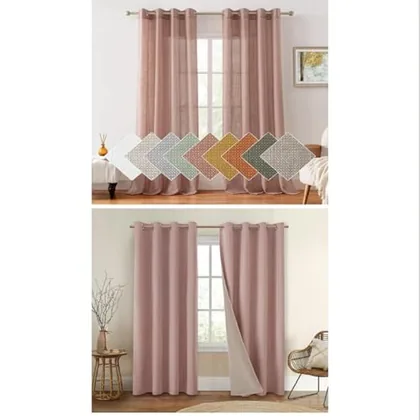
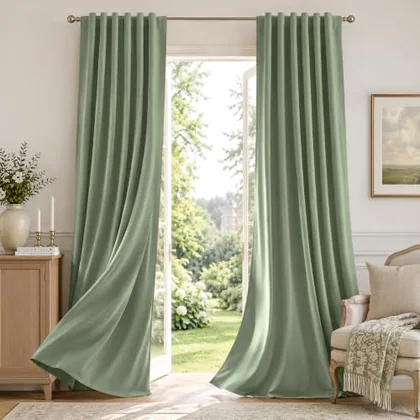
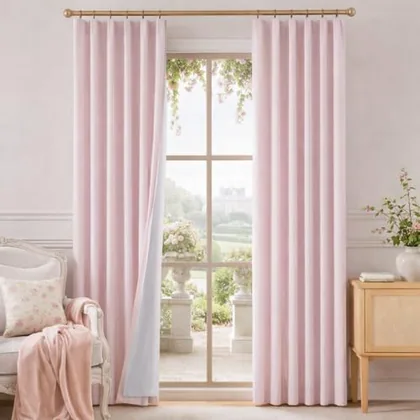
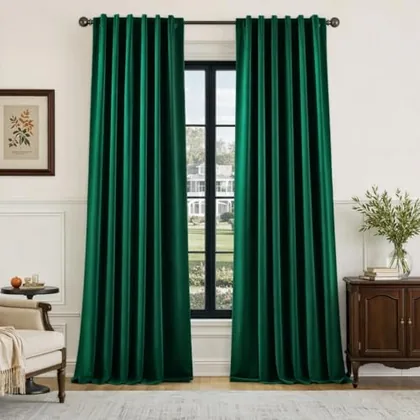
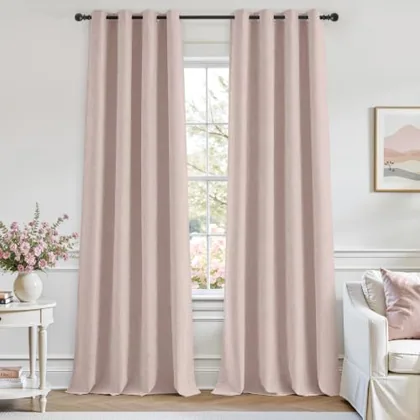
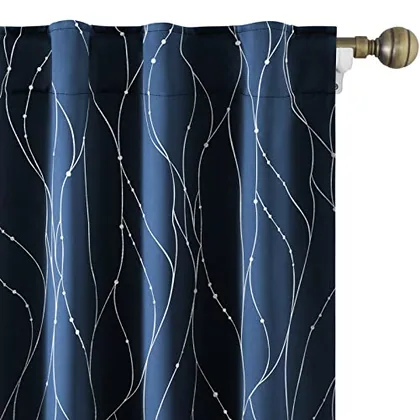
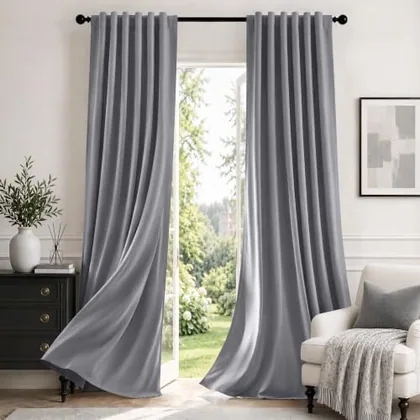
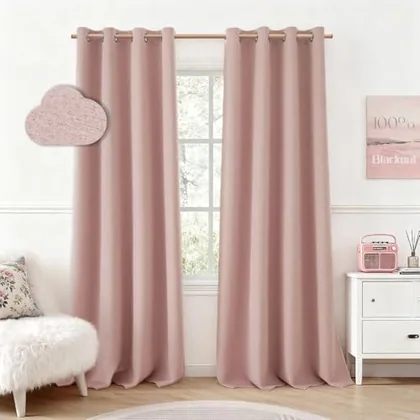
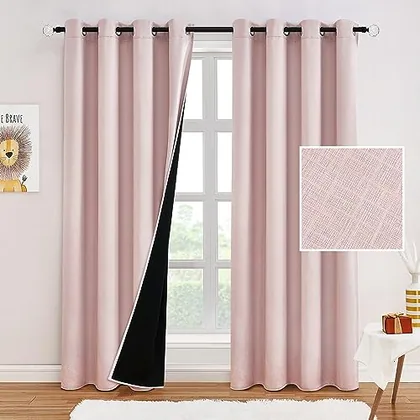
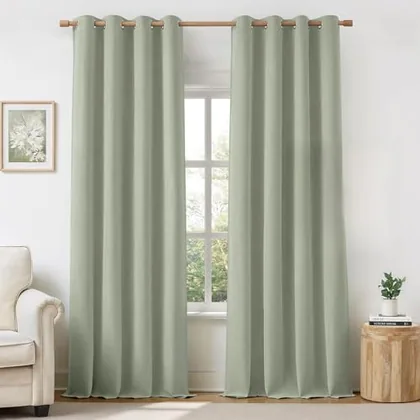
Picking the right panel comes down to what you need blocked and when you need it blocked. A bedroom set for someone who sleeps past sunrise needs different coverage than a living room set that tames afternoon glare. Darker colors absorb more light than lighter ones do. Navy and charcoal block more than blush pink or sage green will. All of our fabrics are triple-woven, but no woven textile can seal light around the edges.
Light slips in over the rod, between the panels, and underneath the hem. You can close most of that gap with a rod that extends past the frame by four to six inches on each side and a panel length that pools slightly or reaches the floor. Measure your window before you order. Write down the width from bracket to bracket and the distance from the rod to where you want the curtain to fall.
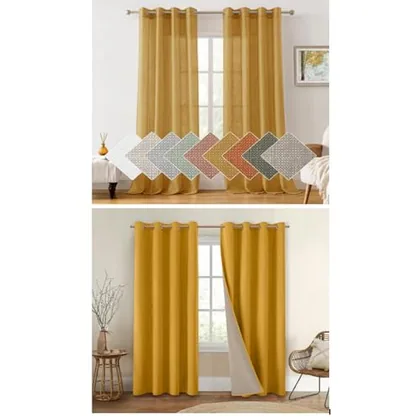
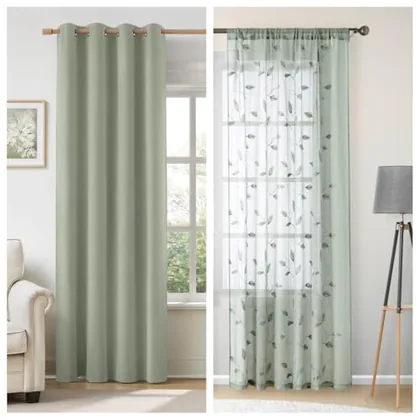
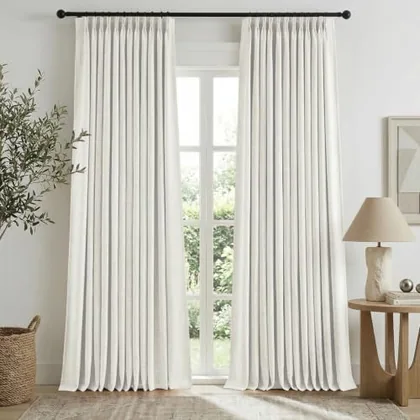
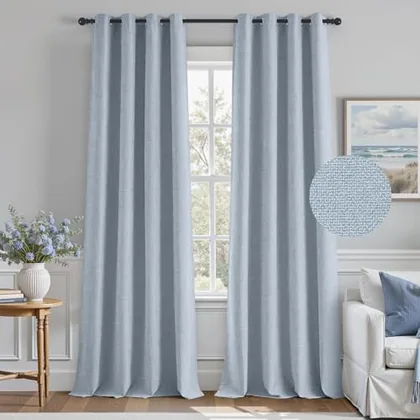
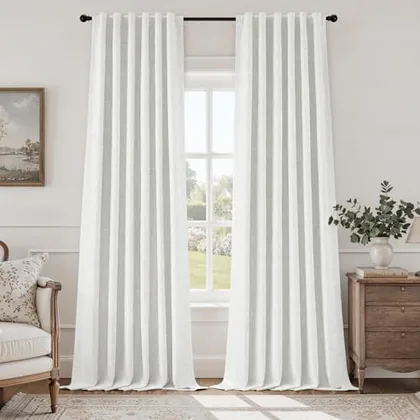
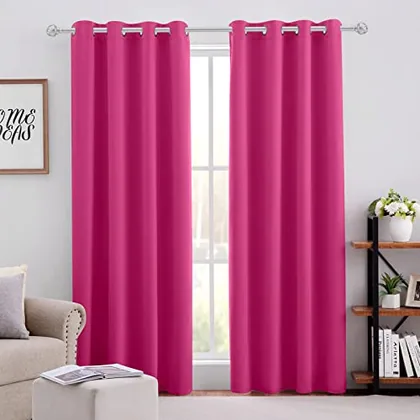
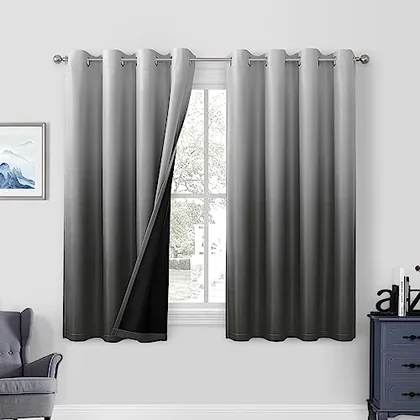
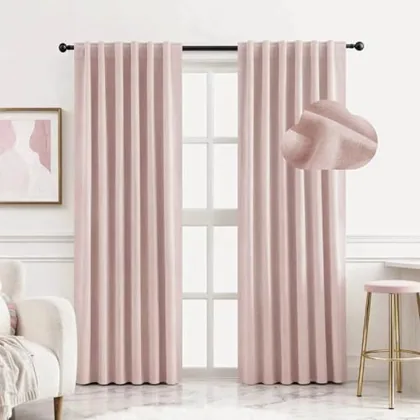
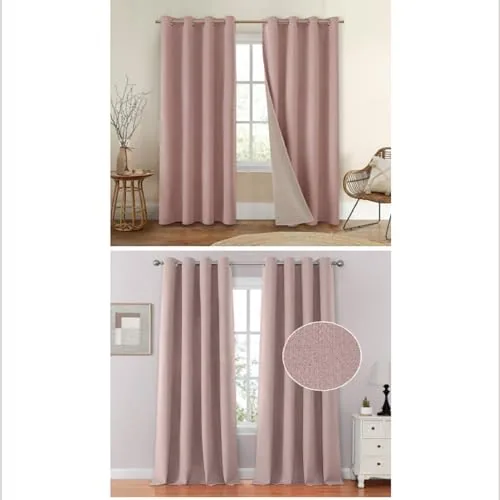
The texture matters more than most people expect at first. Our linen-look curtains have the same triple-woven blackout core as our smooth solids, but they catch the light differently during the day. They feel less formal. Ombre panels fade from dark at the top to light at the bottom (or the reverse), which can draw the eye upward in a room with low ceilings. Solid panels recede. Neither choice is better. They just do different things in the space where you hang them.
Wash them in cold water and tumble dry on low. Iron if you like a crisp fold, or hang them damp and let gravity pull out the creases. The weave holds up through repeated washing because there is no backing layer to crack or peel. Check that the width of two panels together covers your window with some overlap on each side. Most people find that a fullness ratio of roughly double the window width gives the best drape. If you measure carefully and pick the color that fits your room, these panels will handle the rest.