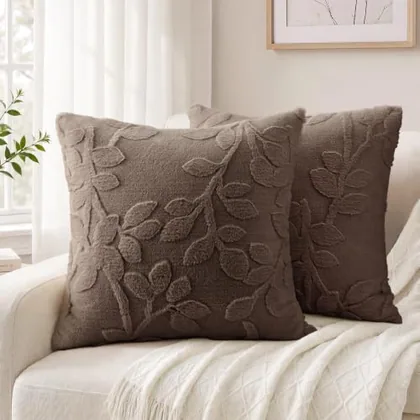
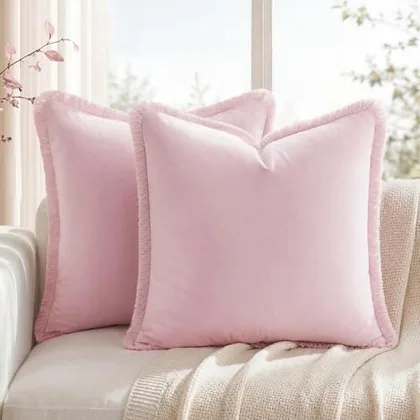
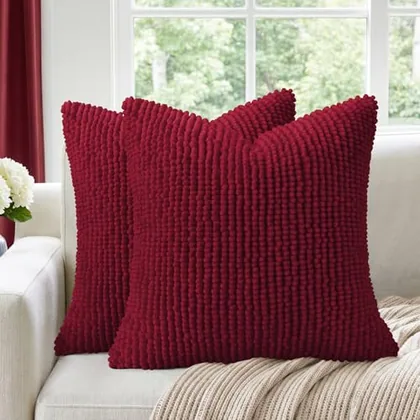
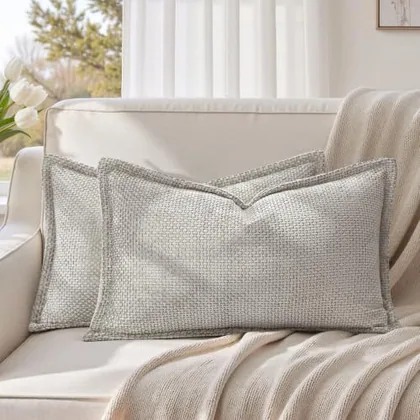
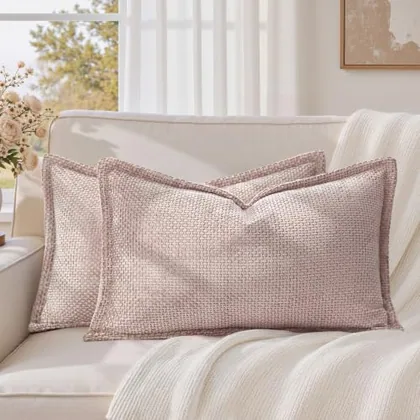
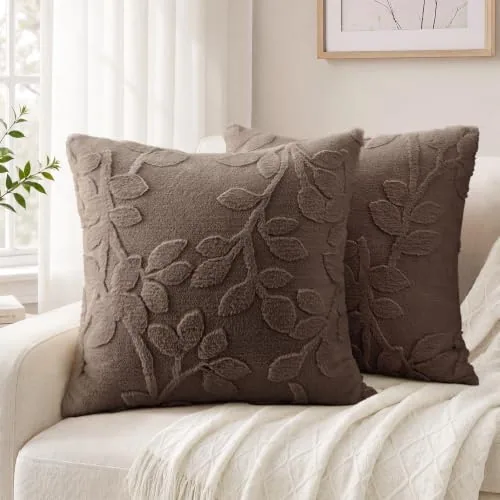
Brown Faux Fur Decorative Throw Pillow Covers 24x24 Set of 2
24 x 24 in2 panelsvelvet
$25.29

HOMEIDEAS
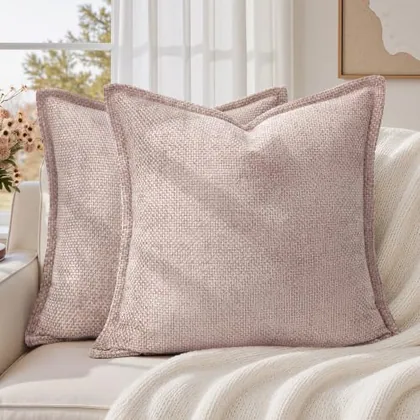
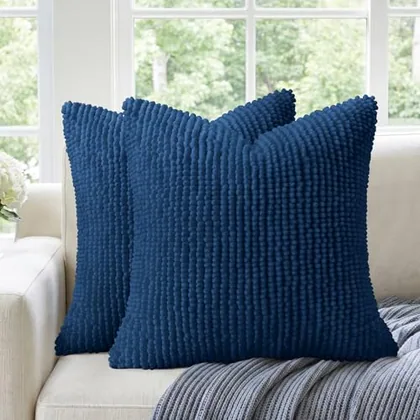
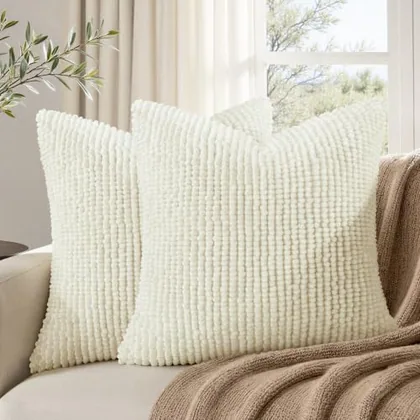
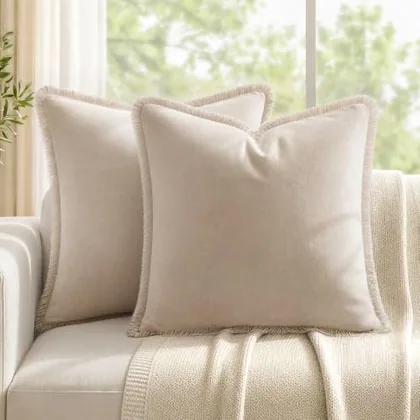
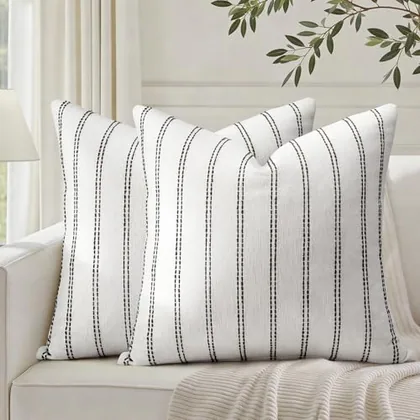
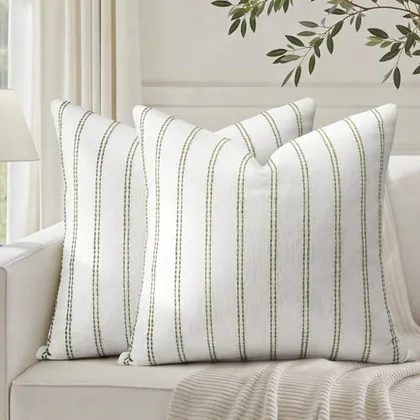
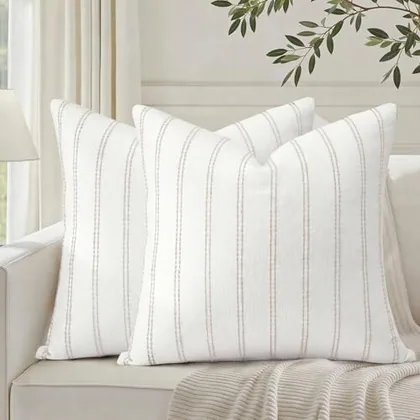
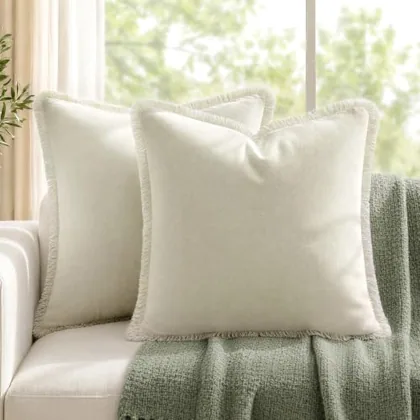
| What we publish | In this department |
|---|---|
| Products here | 36 |
| Prices | $11.99 to $25.29 |
| Stating a panel size | 36 |
| Stating a fabric | 36 |
| Machine washable | 36 |
We started with curtains. That was one window, and it taught us how much a single piece of fabric can change how a room feels. Once we had that sorted, we looked at what else sits near the windows and on the furniture below them. Pillow covers came next because they do the same kind of work. They are smaller, yes, but the decisions you make about them follow the same logic as picking drapes: texture first, then color, then how the whole thing will look when you walk into the room in the morning.
The hardest part of choosing is usually size. A 20-inch square cover does not sit the same way an 18-inch one does, even if you put them on the same cushion insert. The difference is more than two inches across your couch or bed. It changes how many fit side by side, whether the corners pull tight or soften, and whether the pattern repeats at a scale that works for your space.
We list the dimensions for every set we make, but you should measure the insert you plan to use before you order. A cover that fits loosely over a small insert will not hold its shape, and one that strains over a large insert will show seams you did not mean to show.
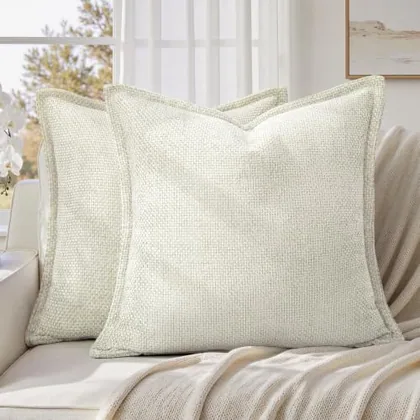
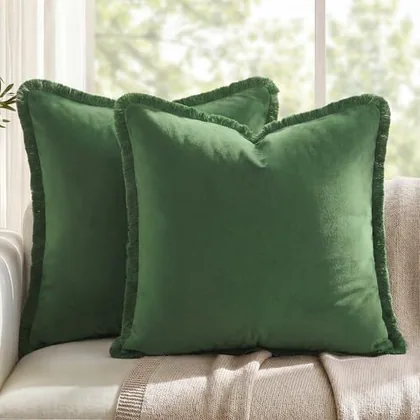
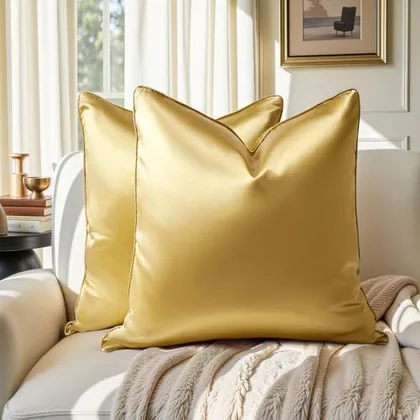
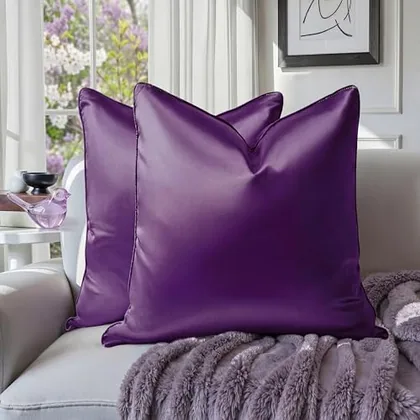
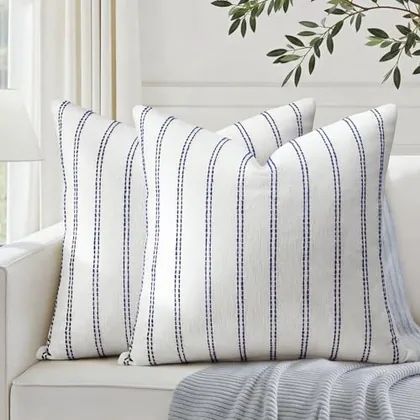
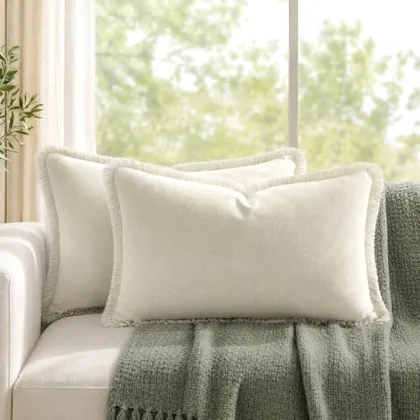
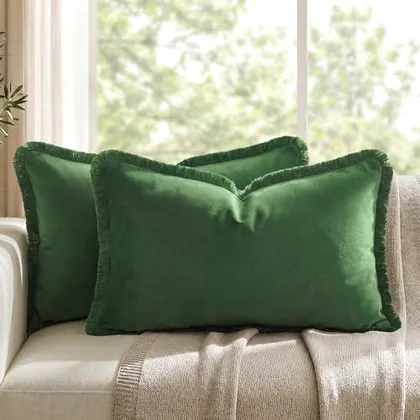
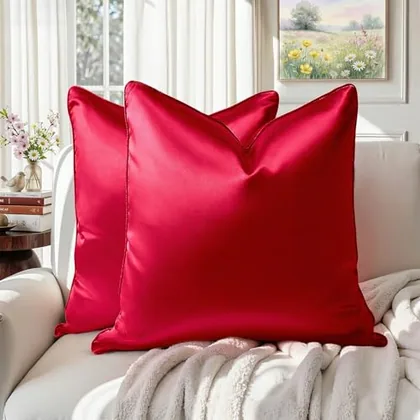
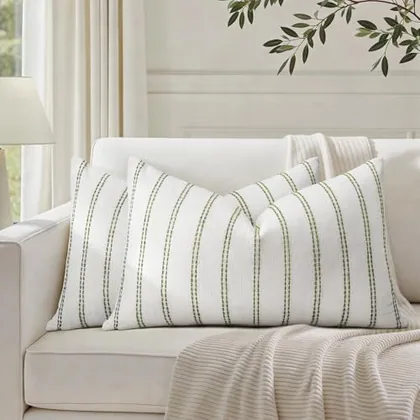
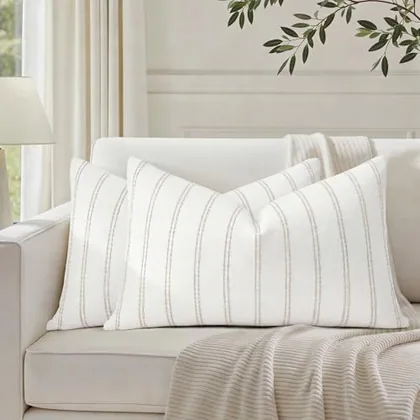
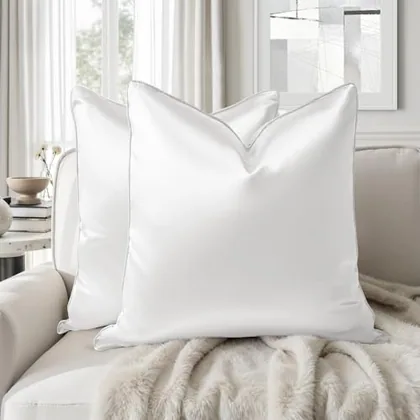
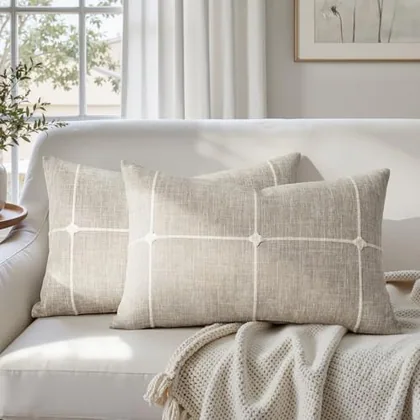
Material matters more than most people expect until they touch it. Our velvet covers have a different weight than our faux silk, and both behave differently from the woven cotton prints we use for plaid and solid colors. Velvet catches light, so it shifts slightly as you move past it during the day. Silk gives you a smoother surface and a little more shine. The cotton options feel flatter and more casual. None of these choices is better than the others. They just serve different rooms and different moods. You know whether you want something that leans formal or something you can toss onto a chair without thinking twice.
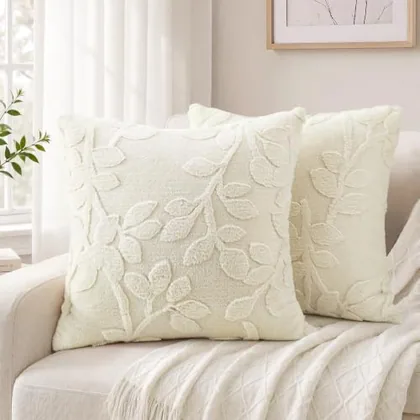
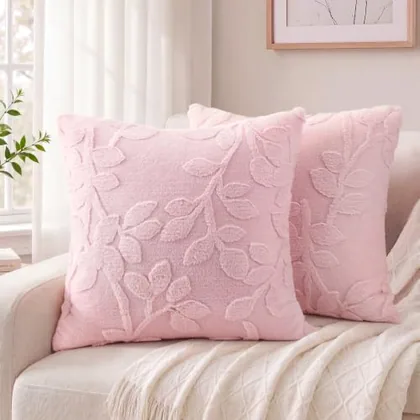
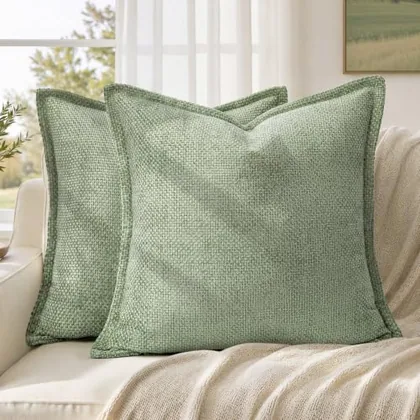
Color is where most people start, and it is also where they second-guess themselves. Sage green reads differently next to cream than it does next to charcoal gray. Ivory can look white in some lights and distinctly warm in others. We photograph each fabric in natural light so you can see the true tone, but screens vary and so do the lamps in your home. If you already have a rug or a throw blanket in the room, hold those up to your monitor when you browse. It is not scientific, but it helps you see whether the shade will harmonize or clash with what you own.
Most of our pillow covers come in sets of two. That is intentional. A single accent pillow looks like an afterthought. Two creates balance, whether you place them together or split them across separate chairs. Check the product details to confirm what each set includes, measure your inserts, and trust the material description more than the name of the color. When the covers arrive, give them a quick press with a warm iron if you want crisp corners right away. They will settle into shape within a day or two on their own.